Moving an Outlet or Living With an Extension Cord
If a cord has become a permanent part of the room, the outlet is probably in the wrong place. Here is how to tell, and what changes when you move it.
October 20, 2026 · 4 min read
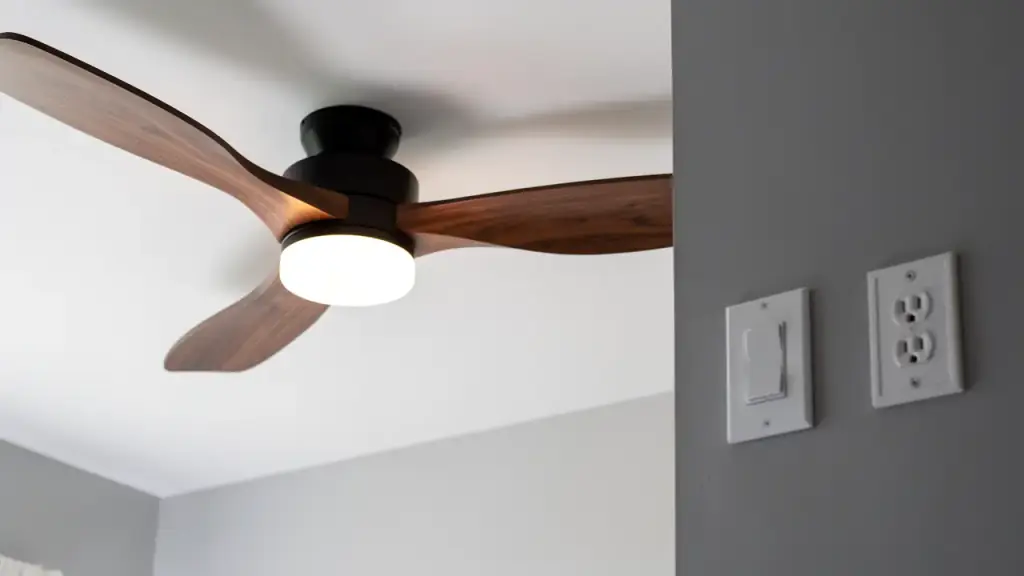
Almost every house has an outlet in the wrong place. It is behind the couch, or on the wrong wall of the home office, or at the far end of a room from where the lamp ended up. The fix that costs nothing is an extension cord. It works the day you buy it, and a year later it is still there, taped along the baseboard and crossing the doorway. Whether that is fine depends on what the cord is doing and how long it has been doing it.
What an extension cord is built for
An extension cord is a temporary tool. It is made for the leaf blower, the holiday lights, the lamp for a month while you rearrange a room. The label on the cord lists how much load it is rated to carry, and thin cords are rated for less than they look. The common trouble spots are well known: a heater or a big appliance on a light-duty cord, a cord squeezed under a rug where heat has nowhere to go, a cord pinched in a door, and a cord run through a wall or ceiling. Fire safety groups commonly caution against using extension cords as permanent wiring, and the reason is simple. Permanent wiring is built to be protected inside the wall. A cord is not.
A power strip is a different thing, but it has its own limits. A strip with surge protection is fine for a computer and a monitor. A strip plugged into another strip is not, and neither is a strip feeding a space heater.
Signs the outlet is in the wrong place
- A cord has been in the same spot for months and crosses a walkway or a doorway.
- One outlet feeds a chain of strips and adapters.
- A plug or the cord feels warm, or the outlet face is discolored, loose, or crackling.
- You rearranged furniture around where the outlets are rather than where you wanted the furniture.
- You want a TV, a desk, or a lamp on a wall that has no outlet at all.
The first four are signs of a layout problem. The warm plug or the crackling outlet is something else. That is a reason to stop using the outlet and get it looked at, not a reason to buy a longer cord.
What moving an outlet usually involves
“Moving” an outlet is really three jobs. A new box goes in at the new location. Cable has to be extended or re-routed to reach it, either from the old box or from somewhere else nearby. Then the old location gets closed up, with a blank cover or a drywall patch. None of that is difficult to describe, but each step has details that depend on the house. The wall may have insulation or horizontal blocking inside. The cable may have to travel through an attic or a crawlspace. The existing circuit may already carry as much as it should.
Power comes off at the breaker before anyone opens a box, and the wire is tested to confirm it is dead rather than trusting the label on the panel. Some locations, such as near sinks and outdoors, call for outlets with built-in ground-fault protection, so the type of outlet matters as much as its position. A good job also finishes cleanly: the new outlet sits flush and square, the cover plate fits, and the old spot is patched so you would not know it was there.
Fans and fixtures follow the same logic
Related jobs come with their own craft. A ceiling fan hangs from a box that is rated for a fan, because a fan weighs more than a light fixture and vibrates constantly. A box that was only meant to hold a plain light can loosen over time under a fan. Replacing a switch looks like a ten-minute job, and often is, but older homes sometimes have wiring that does not match what the new switch expects. The pattern is the same each time: look at what is actually there before deciding how easy the job is.
When to call a licensed electrician
Some electrical work may require a licensed electrician, a permit, or an inspection, depending on the job and where you live. The rules differ between cities and counties, and a general article cannot settle them for your house. The practical advice is to ask before the work starts, either at your local building department or by describing the job to whoever you plan to hire. If the answer is that the job needs a licensed electrician, hearing that early is the whole point of asking.
A simpler route first
Not every cord problem needs a wall opened. A short, properly rated cord with a flat plug can sit behind a heavy piece of furniture. A cord cover can protect a cord that has to cross a floor for a few days. Swapping a plain outlet for one with built-in USB ports takes care of chargers. And sometimes the cheapest fix is to move the lamp. If you find yourself solving the same cord problem for the third year, though, the layout is telling you something.
Asking Viking Handyman Services
Viking Handyman Services lists outlet relocation, switch replacement, ceiling fan installation and light fixture replacement under Electrical Fixes and Installations, which you can read at /services/electrical. The business serves Rutherford, Williamson and Wilson Counties. Describe the room and the problem through /contact, or call (615) 476-0089, and ask whether your particular job fits. A straight answer about what a handyman should or should not do on your wiring is worth having before anything is opened.
Viking Handyman Services, LLC, (615) 476-0089
Call (615) 476-0089More articles
How to Write a Honey-Do List a Handyman Can Finish in One Visit
The difference between a list that gets finished and one that turns into three trips is mostly in how each line is written.
Mounting a TV on Drywall: What Decides Where It Can Go
The wall you want and the wall that can carry the screen are not always the same wall. Four checks tell you which one you have.