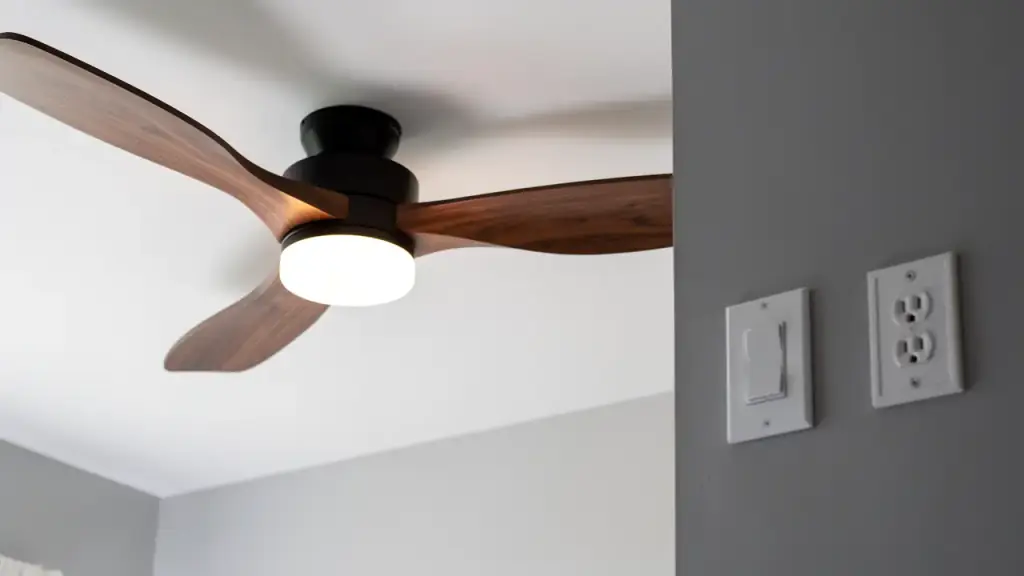
Moving an outlet starts at the breaker, not the wall
Before anything on the wall comes off, the circuit has to be dead and proven dead. That means the breaker off, then a tester held to the outlet, because a mislabeled panel is more common than anyone likes to admit. Only then does the cover plate come off. Outlet relocation is one of the four electrical jobs Viking Handyman lists, alongside switch replacement, ceiling fan installation and light fixture replacement, and the order of operations is the same every time.
Where the new outlet goes matters as much as how it is wired. An outlet that lands behind a couch leg or too far from the lamp ends up served by an extension cord, which is the problem the move was meant to fix. Marking the spot with the furniture actually in place, checking what sits behind the drywall there, and choosing a height that matches the other outlets in the room keeps the result looking intended. Murfreesboro and Smyrna houses built across several decades often mix box types, so each wall is its own small survey.
Switches and light fixtures, swapped without the guesswork
A worn switch gets stiff, buzzes, or leaves a light flickering, and replacing it is one of those jobs that looks simple until the box is open. Older boxes can be shallow and crowded, wire insulation can be brittle, and the new device has to sit square in the box so the plate lies flat to the wall. Photographing or labeling the wires before they come off keeps a three-way or dimmer setup from turning into a puzzle.
Light fixture replacement follows the same logic with more weight attached. The old fixture comes down with the breaker off, the box is checked to confirm it is secure and suited to what is going up, and the new fixture hangs from the box, never from the wires. A heavy pendant or a chandelier in a Rutherford County dining room asks more of that box than a flush mount does, so the mounting hardware gets matched to the fixture instead of reused by default.
A ceiling fan needs a box built to carry it
A ceiling fan is not a light fixture that happens to turn. It pulls, wobbles and swings, and a standard lightweight fixture box is not made to take that load for years. A fan needs a box marked as fan-rated, fixed to a joist or to a brace that spans between joists, and the screws that hold it have to bite into structure rather than drywall. If the existing box is not rated, swapping it is the first step of the install, not an afterthought.
Once the support is right, the rest is steady work: hanging the bracket, wiring the fan and its light kit to the switch, tightening the blade screws, and balancing the blades so there is no wobble at high speed. In a Smyrna or Murfreesboro room with a vaulted ceiling, the down-rod length and the clearance around the blades get settled before the fan goes up.
Larger electrical work, like a new circuit, a panel upgrade or rewiring a room, belongs with a licensed electrician, and saying so plainly beats stretching. What Viking Handyman publishes is the fixture level: the outlet, the switch, the fan, the light. If your list has something bigger on it, mention it when you call Chris Sias at (615) 476-0089 and the two can be sorted apart.